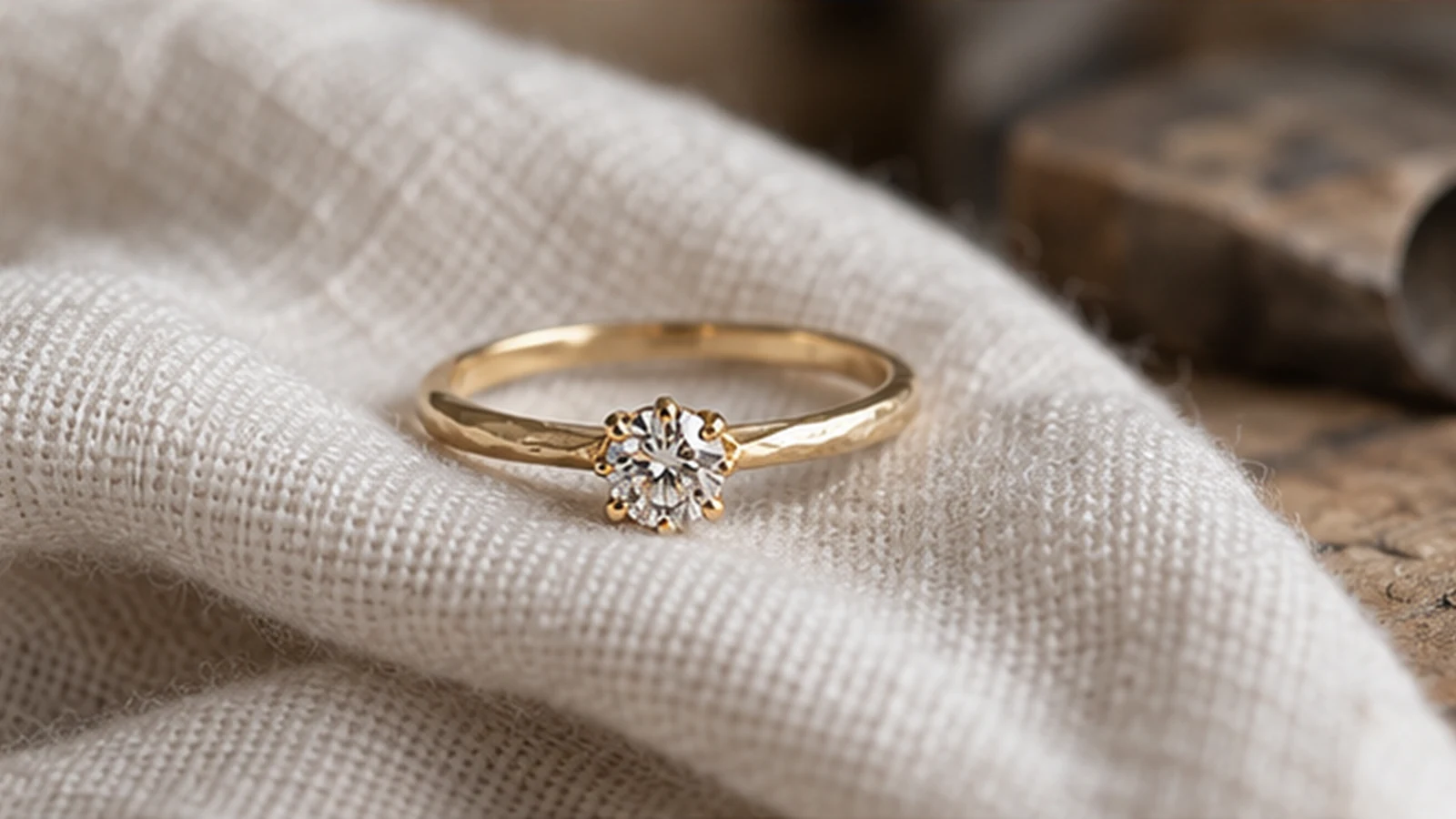
An engagement ring is so much more than a piece of jewellery. For me, it represents love, commitment and the beginning of a shared story. It is something worn every day, gathering meaning and memories over time.
For many couples today, choosing a ring is no longer only about how it looks. There is also a growing desire to understand where materials come from, how a piece is made and the impact it has on both people and the planet.
As interest in ethical jewellery continues to grow, it can sometimes feel difficult to know where to begin. Terms such as ethical, sustainable and conflict-free are often used interchangeably, yet the reality behind them can be more nuanced.
The truth is that there is rarely one perfect answer when it comes to ethical jewellery. What matters most is transparency, thoughtful sourcing and creating pieces with care, integrity and longevity in mind.
At its heart, an ethical engagement ring is about choosing something meaningful – both in what it represents and in how it was made.
What Makes an Engagement Ring Ethical?
An ethical engagement ring can mean different things to different people, but there are a few key areas that are often considered important.
- Responsibly sourced materials
- Fair working conditions
- Reduced environmental impact
- Handmade craftsmanship
- Jewellery designed to last for generations
Ethical jewellery is not simply about sustainability alone. To me, it is also about valuing craftsmanship, respecting the people behind the materials and choosing pieces made with intention rather than mass production.
An engagement ring should never feel temporary or trend-led. It is something deeply personal – a future heirloom that carries meaning long after the moment of proposal itself.
This is why ethical sourcing and responsible jewellery making sit at the heart of my work, not as an afterthought, but as part of what makes a piece truly beautiful.
Understanding Fairtrade and Recycled Gold
Gold is one of the most beautiful and enduring materials used in jewellery, but traditional gold mining can come with significant environmental and social challenges. Because of this, many independent jewellers are now choosing to work with more responsible alternatives, including Fairtrade, Fairmined and recycled gold.
Fairtrade Gold
Fairtrade Gold supports small-scale mining communities by helping to provide fairer wages, safer working conditions and more responsible mining practices. Choosing Fairtrade gold can help create a more transparent and supportive supply chain, while also directly benefiting mining communities.
Fairmined Gold
Fairmined is another important certification within responsible jewellery. It works with artisanal and small-scale mining organisations, encouraging safer working conditions, environmental protection and fairer trading relationships.
Recycled Gold
Recycled gold offers another thoughtful approach. Rather than relying on newly mined materials, existing gold is refined and reused without losing any of its quality or beauty.
Because gold can be recycled indefinitely, it allows precious materials already in circulation to continue being used in new pieces. Both certified and recycled metals can play an important role in more responsible jewellery, depending on the design, the commission and the values of the person choosing the piece.
What matters most is honesty and transparency around sourcing, alongside a genuine commitment to more responsible practices.
Ethical Diamonds and Gemstones
Diamonds and gemstones are often one of the most emotional parts of an engagement ring, but they can also be one of the most complex when it comes to ethical sourcing.
The term conflict-free diamond is widely used within the jewellery industry, but it does not always tell the full story. A diamond may be conflict-free while still raising environmental or labour concerns elsewhere in the supply chain.
This is why traceability and transparency are becoming increasingly important. Organisations such as the Responsible Jewellery Council have helped bring more attention to responsible standards across the jewellery supply chain, but it is still important to ask individual jewellers about their own sourcing choices.
Today, many couples are exploring a wider range of options, including responsibly sourced mined diamonds, recycled diamonds, coloured gemstones and laboratory-grown stones.
Each choice comes with its own considerations, and there is rarely a single right option for everyone. For some people, a recycled antique diamond may feel most meaningful because of the history it already carries. For others, a responsibly sourced sapphire or bespoke design using recycled materials may feel more aligned with their values.
Ethical jewellery is not about perfection. It is about making thoughtful choices and understanding the story behind the materials you wear.
Through the bespoke engagement ring process, I work closely with clients to choose materials that feel both beautiful and personally meaningful.
Why Handmade Craftsmanship Matters
The ethics of a ring extend beyond the materials alone. How a piece is made – and who makes it – matters just as much.
As a jeweller, I have always believed handmade jewellery feels very different to something mass produced. Each piece reflects time, skill and care, with attention given to every detail along the way.
In a fast-moving world where so much is made quickly and discarded just as fast, handmade jewellery offers something more lasting and personal. There is beauty in knowing that a piece has been shaped by human hands and created to be treasured for years to come.
Craftsmanship is also closely connected to sustainability. Jewellery made with care is more likely to endure – to be worn daily, repaired when needed and eventually passed down to future generations.
True luxury is not about excess. It is about creating something meaningful that stands the test of time.
My own artisan approach to jewellery making has always been rooted in this belief: that beauty, meaning and responsibility should sit together.
Questions to Ask When Choosing an Ethical Jeweller
If you are beginning your search for an ethical engagement ring, asking a few thoughtful questions can help you better understand a jeweller’s approach and values.
- Where are your materials sourced from?
- Do you work with Fairtrade, Fairmined or recycled gold?
- Can your diamonds or gemstones be traced?
- Is the jewellery handmade?
- Who makes the pieces?
- Can the ring be repaired or remodelled in the future?
A jeweller should feel open and transparent when discussing these questions. Ethical craftsmanship is built on care, honesty and a genuine understanding of the materials and processes involved.
Choosing a Ring with Meaning
An engagement ring is one of the few objects we wear every day throughout life’s changing seasons. Over time, it becomes connected to memories, milestones and personal history.
Choosing an ethical engagement ring is about more than sustainability alone. It is about finding a piece that reflects your values as well as your relationship – something made with thought, care and lasting craftsmanship.
In a world shaped by fast consumption and constant trends, there is something deeply meaningful about choosing a piece designed to endure.
A beautifully made ring carries not only beauty, but also intention, story and connection – qualities that only grow more valuable with time. In my engagement ring work, I aim to create pieces that feel personal, carefully made and designed to last.